The growing concern with air quality and the search for more sustainable transportation solutions have led to increasingly strict environmental standards for diesel vehicles in Brazil.
The Air Pollution Control Program for Motor Vehicles (PROCONVE) is the main body responsible for regulating these guidelines. The program’s goal is to reduce pollutant emissions and protect public health.
Follow this article to learn more details about these standards.
What is PROCONVE?
PROCONVE is a government program that establishes emission control standards for motor vehicles in Brazil. Its regulations are based on international standards, such as the EURO standards, and are regularly updated to keep up with technological innovations and environmental requirements.
PROCONVE P7 and P8: The Future of Emission Reduction
The P7 and P8 phases of PROCONVE have brought significant progress in reducing pollutant emissions from diesel vehicles. These new phases introduced cutting-edge technologies and stricter requirements for manufacturers, focusing on:
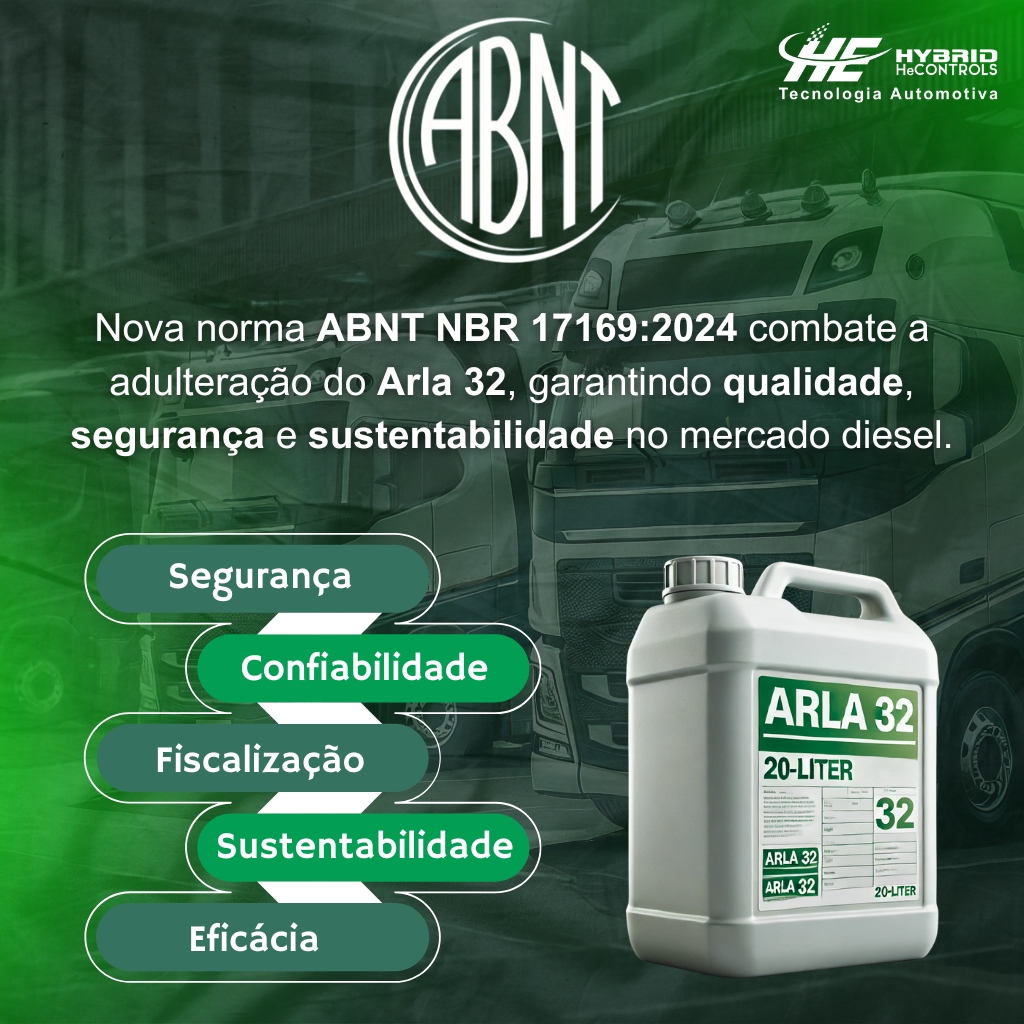
• Significant reduction of NOx: Nitrogen oxides are critical pollutants linked to respiratory problems. The P7 and P8 standards set even lower limits for NOx emissions, requiring the use of technologies such as the SCR (Selective Catalytic Reduction) system and AdBlue.
• More effective particulate control: Particulate matter is harmful to human health and the environment. The new guidelines require the adoption of more efficient particulate filters, ensuring a greater reduction of these pollutants.
• Reduction of other emissions: In addition to NOx and particulates, the P7 and P8 phases also impose stricter limits for hydrocarbons and carbon monoxide.
The Importance of Complying with PROCONVE
Maintaining compliance with PROCONVE standards is important for several reasons:
• Public health protection: Emission reduction improves air quality and protects people’s health.
• Environmental preservation: The standards aim to reduce the environmental impact of pollutants emitted by diesel vehicles.
• Market competitiveness: Companies that adopt clean and efficient technologies gain a competitive advantage by using modern vehicles that comply with PROCONVE standards.
• Legal obligation: Failure to comply with PROCONVE guidelines can result in legal and administrative penalties.
How Does Hybrid e-Controls Help with Environmental Standards Compliance?
Hybrid e-Controls plays an important role in helping vehicle manufacturers comply with PROCONVE standards by offering innovative technological solutions for emission control.
Among our main products and services are:
• NOx Tester: Equipment that tests NOx, ammonia, and particulate sensors, as well as evaluating catalytic efficiency and obstruction.
• Pump Tester: A simulator for AdBlue pumps for precise testing in aftertreatment systems.
• Ecotorq: A tool that measures NOx emissions in g/kWh in trucks and buses, generating a traceable report. This allows verification of whether emissions are within PROCONVE limits and the issuance of immediate reports.
By using Hybrid e-Controls solutions, manufacturers ensure compliance with standards, offering cleaner and more efficient vehicles to the market.
Conclusion
As we have seen, PROCONVE standards are a milestone in the pursuit of more sustainable transportation in Brazil.
Technologies such as the SCR system and the use of AdBlue are essential to meet the new regulations and promote a cleaner future.
Hybrid e-Controls is committed to providing innovative solutions that meet market demands and contribute to a healthier environment.
If you enjoyed this content, share it with a friend and follow our Instagram page to receive more tips and updates about the automotive sector.