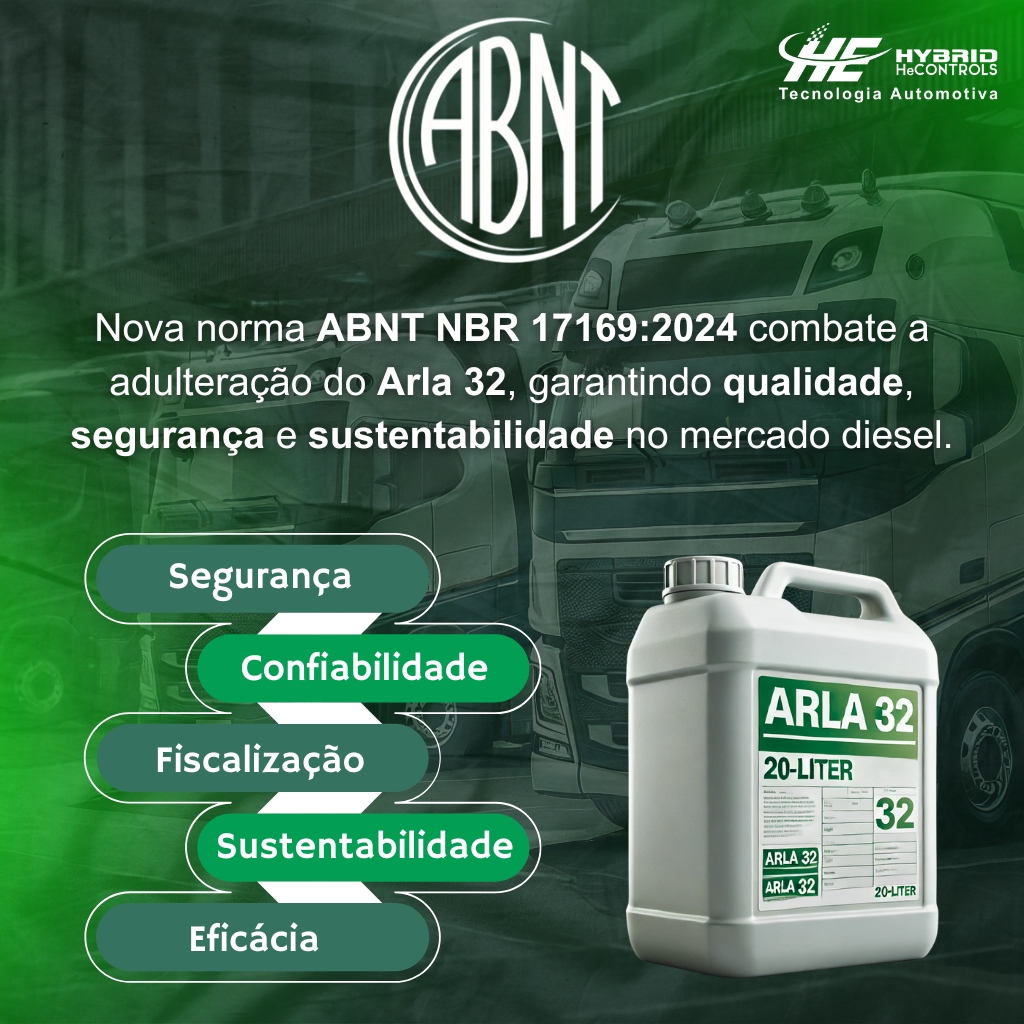
The SCR system (Selective Catalytic Reduction) is essential to reduce nitrogen oxide (NOx) emissions in diesel vehicles, helping improve air quality.
However, for it to work properly and for AdBlue to last longer, it is very important to carry out SCR system maintenance correctly.
In this article, you will find practical tips to avoid common problems and extend the service life of the SCR system.
What is the SCR system and how does AdBlue work?
Before discussing maintenance, it is important to understand how the SCR system works.
AdBlue is a high-purity urea solution that is injected into the vehicle’s exhaust system. When it comes into contact with hot gases, it decomposes into ammonia, which reacts with nitrogen oxides (NOx) and converts them into nitrogen and water, substances that are harmless to the environment.
7 Tips for SCR System Maintenance
These practical tips will help keep the SCR system running properly, extend the service life of AdBlue, and avoid common problems that may arise.
• Use quality AdBlue: Low-quality AdBlue can cause clogging and even damage the catalyst. Always buy from trusted suppliers and follow the vehicle manufacturer’s specifications.
• Keep the AdBlue tank filled: Do not let the AdBlue tank run dry. Lack of fluid can cause the system to fail and damage components, as well as limit vehicle performance.
• Check the AdBlue level regularly: Monitor the AdBlue level according to the manufacturer’s recommendations.
• Avoid contamination: Never mix other liquids in the AdBlue tank. Contamination can damage the system and reduce AdBlue’s efficiency.
• Perform preventive maintenance: Follow the manufacturer’s guidelines and carry out preventive maintenance, such as checking sensors, pipes, and replacing filters regularly.
• Watch out for warning signs: If the warning light turns on, the engine loses power, or fuel consumption increases, there may be a problem with the SCR system. In such cases, consult a specialized professional.
• Look for specialized workshops: Always perform SCR system maintenance at workshops with professionals trained in this technology.
Common SCR System Problems and Their Causes
Here are some frequent problems with the SCR system and what may be causing them:
• Clogging of AdBlue Injectors: This usually occurs when low-quality AdBlue is used or when impurities are present in the tank. To avoid this, always buy AdBlue from reliable sources and keep the tank clean.
• Damage to the SCR Catalyst: The catalyst can be damaged by fuel that does not meet specifications, the use of poor-quality AdBlue, or system contamination. Always use fuel and AdBlue as recommended by the manufacturer.
• Sensor Failure: SCR system sensors may fail due to electrical issues or contamination. Check regularly to ensure sensors are working properly.
• Leaks: Leaks in the SCR system can cause the loss of AdBlue and affect system performance. Inspect the system regularly to quickly identify and repair leaks.
Advantages of Regular SCR System Maintenance
• Emission Reduction: Keeping the SCR system well maintained helps reduce NOx emissions, improving air quality and reducing environmental impact.
• Extended Service Life: Regular SCR maintenance extends its lifespan, reducing the need for frequent repairs and costly replacements.
• Improved Vehicle Performance: A well-maintained SCR system ensures the vehicle runs more efficiently, improving overall performance.
• Compliance with Environmental Standards: Keeping the SCR system in good condition ensures your vehicle meets emission standards, avoiding fines and legal issues.
Conclusion
As we have seen, proper SCR system maintenance is essential to ensure the vehicle works properly and to reduce pollutant emissions.
By following these tips, you can avoid common problems, extend the system’s service life, and contribute to a healthier environment.
To stay up to date with best practices in the automotive sector, contact our team and check the dates of upcoming training sessions. If you liked this content, share it with a friend and follow our Instagram page to receive more tips and updates about the automotive industry.